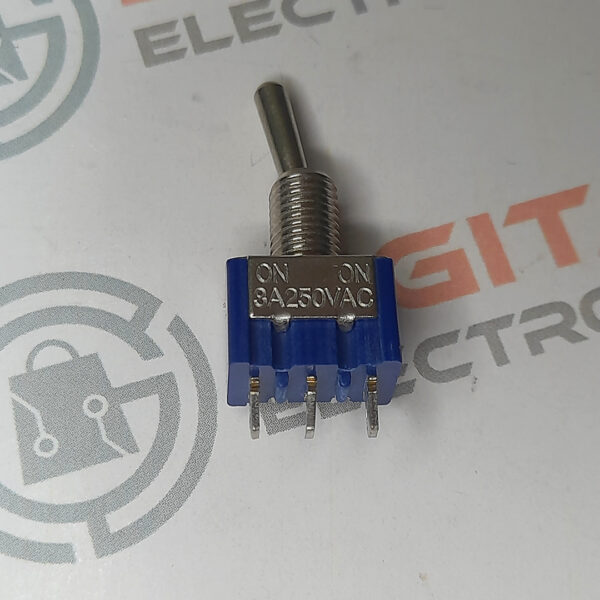
Contact Rating: Specifies the maximum voltage and current the switch can handle, with options like gold contacts (often for low-power applications) or silver contacts (for higher power).
Electrical Life: Indicates the number of switching cycles the switch can endure before failure, typically measured in thousands or hundreds of thousands of cycles.
Contact Resistance: Measures the resistance within the switch’s contacts when closed, typically in milliohms.
Insulation Resistance: Measures the resistance between the switch terminals and other components, indicating the effectiveness of the insulation.
Dielectric Strength: Indicates the voltage the switch can withstand before arcing or breakdown occurs.
Operating Temperature: Specifies the temperature range within which the switch is designed to function reliably.
Mechanical Life: Indicates the number of times the switch can be toggled physically before mechanical failure.
Certifications: May include certifications like UL or CSA, indicating compliance with safety standards.
Contact Configurations: Describe how the switch controls the flow of electricity, such as Single Pole Single Throw (SPST), Single Pole Double Throw (SPDT), etc.
Momentary vs. Maintained Contacts: Momentary switches return to their default position when released, while maintained switches stay in the selected position.
Illumination: Some toggle switches have built-in lights to indicate their status or for visibility in low light.
Sealing: Some switches are sealed to protect against dust and moisture, making them suitable for harsh environments.