
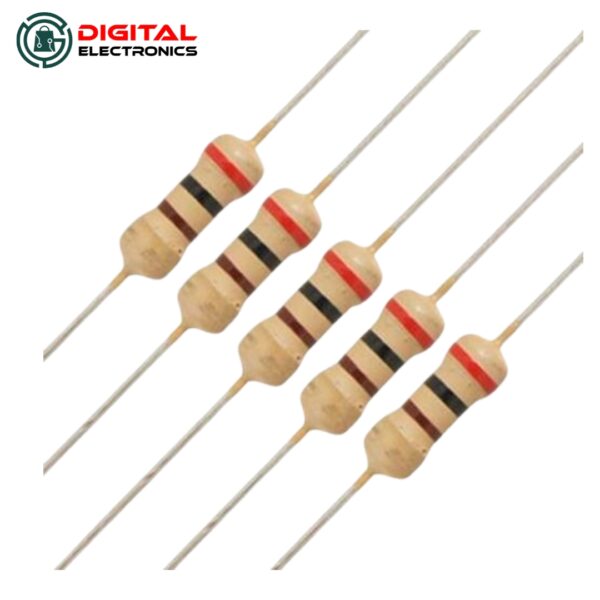
Resistors
Br13.00
-
Resistance (R): This is the primary characteristic of a resistor, indicating its opposition to current flow. It’s measured in ohms (Ω) and can be a specific value or a range.
-
Tolerance: This specification defines the acceptable variation in resistance value from the nominal (stated) value. It’s usually expressed as a percentage (%), such as ±5%.
-
Power Rating (P): This indicates the maximum power (in watts) that a resistor can safely dissipate as heat. Exceeding the power rating can lead to resistor damage or failure.
-
Temperature Coefficient of Resistance (TCR): This specification describes how much the resistance value changes with temperature variations. It’s typically expressed in parts per million per degree Celsius (ppm/°C).
-
Voltage Rating: This is the maximum voltage that can be applied to the resistor continuously without causing damage. It’s often related to the power rating and can limit the power dissipation for higher resistance values.
-
Resistor Size and Package: Resistors come in various sizes and packages, such as through-hole (leaded) and surface mount (SMD). The package size affects thermal management and mounting options.
Related products
-
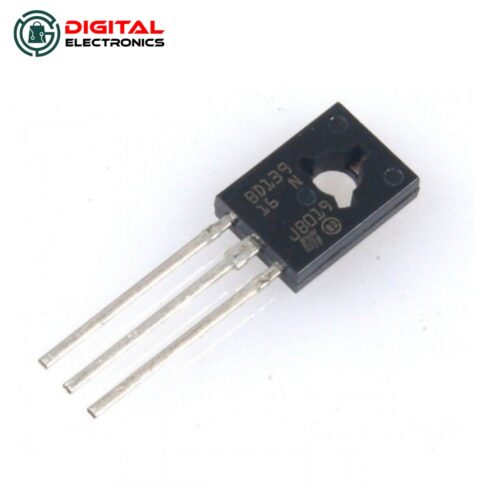
BD139 – NPN
Br96.00 -
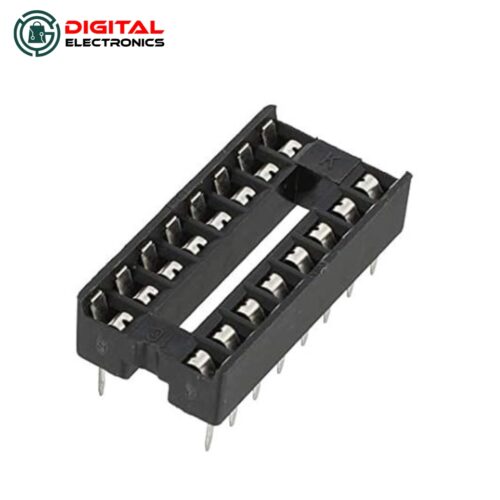
16-Pin IC Sockets
Br48.00 -
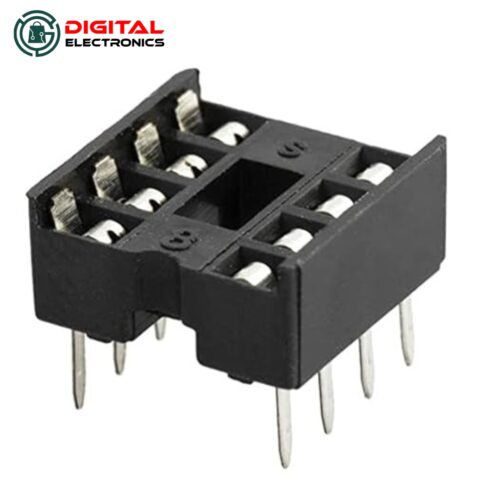
8-Pin IC Sockets
Br36.00 -
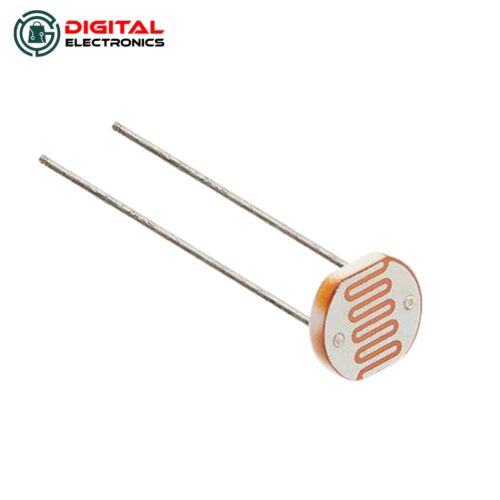
Light Dependent Resistor
Br100.00