
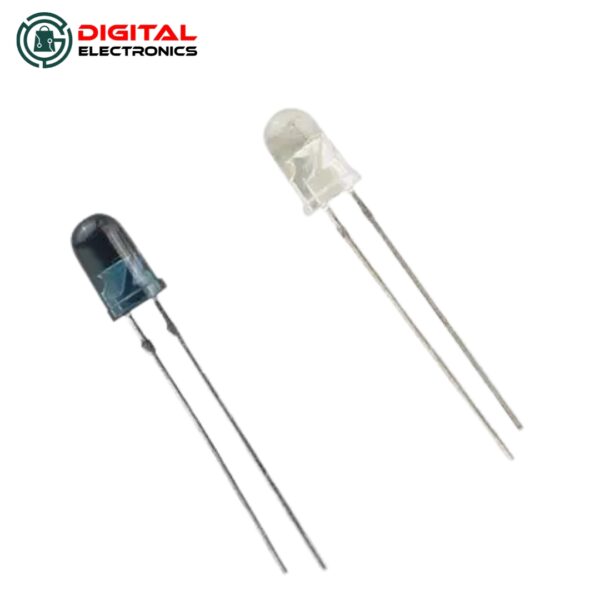
IR Transmitter and Receiver Diode
Br40.00
- Forward Voltage (Vf): This is the voltage drop across the LED when it’s forward biased (conducting). Typical values range from 1.2V to 1.6V.
- Forward Current (If): This is the amount of current that flows through the LED when it’s forward biased. It’s usually specified as a continuous current (e.g., 100mA) and a peak current (e.g., 300mA).
- Peak Wavelength (λp): This indicates the wavelength at which the LED emits the most infrared light. Common wavelengths are 850nm and 940nm.
- Viewing Angle: This specifies the angle over which the IR light is emitted. Common angles are 30 degrees and 40 degrees.
- Reverse Voltage (Vr): This is the maximum reverse voltage that the LED can withstand without being damaged. It’s typically around 5V.
- Power Dissipation (Pd): This indicates the amount of power the LED can dissipate as heat. It’s often given in milliwatts (mW).
- Operating Temperature: This specifies the temperature range within which the LED can operate reliably. Common ranges are -40°C to +85°C or -40°C to +100°C.
- Reverse Current (Ir): The small amount of current that flows when the LED is reverse biased.
- Soldering Temperture: The maximum temperature and duration for soldering the LED.
- Spectral Bandwidth: The range of wavelengths emitted by the LED.
Related products
-
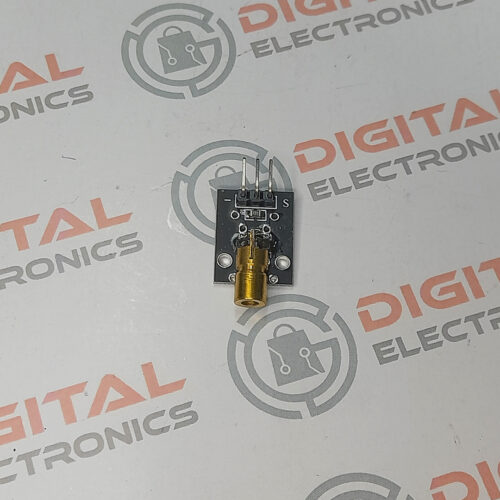
Laser Transmitter Module
Br650.00 -
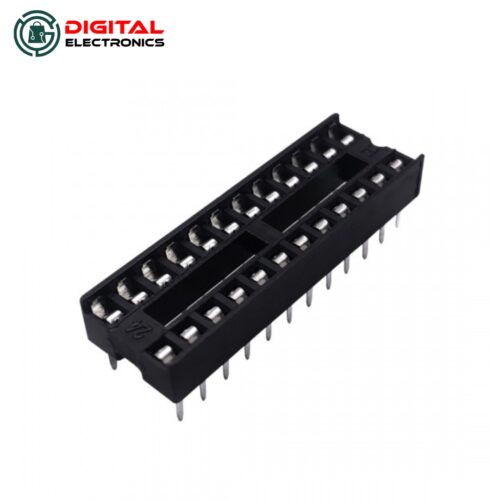
24-Pin IC Sockets
Br60.00 -
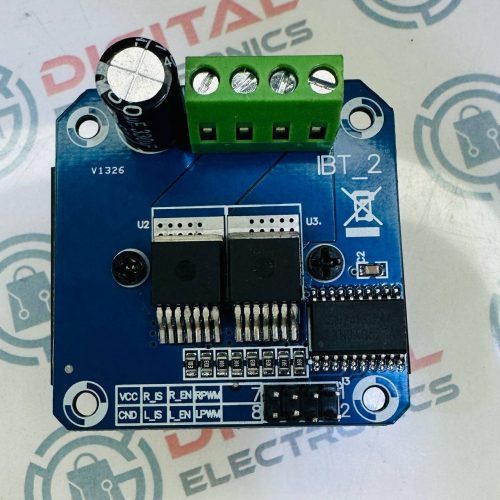
High-Power H-Bridge Motor Driver (IBT-2) BTS7960 / BTN7960B 43A
Br1,250.00 -
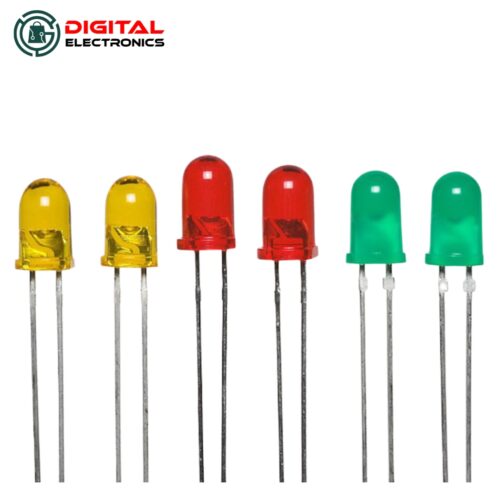
Small LED Lights
Br15.00