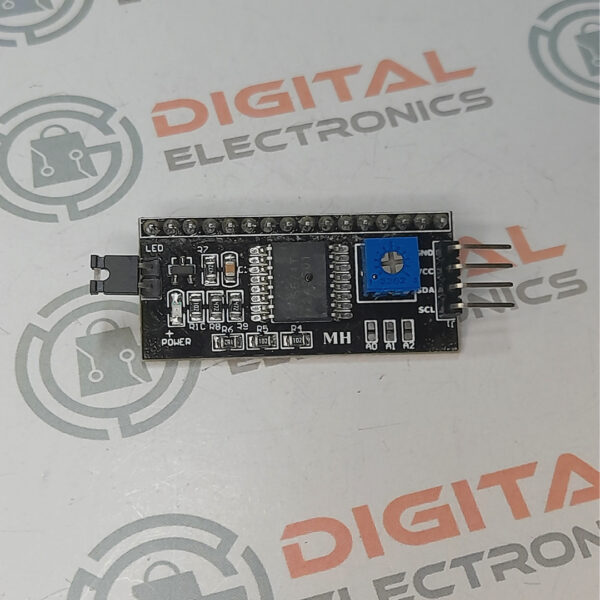
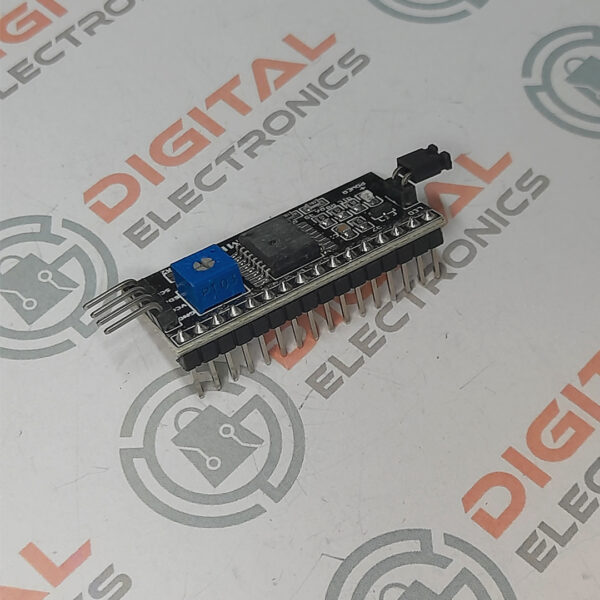
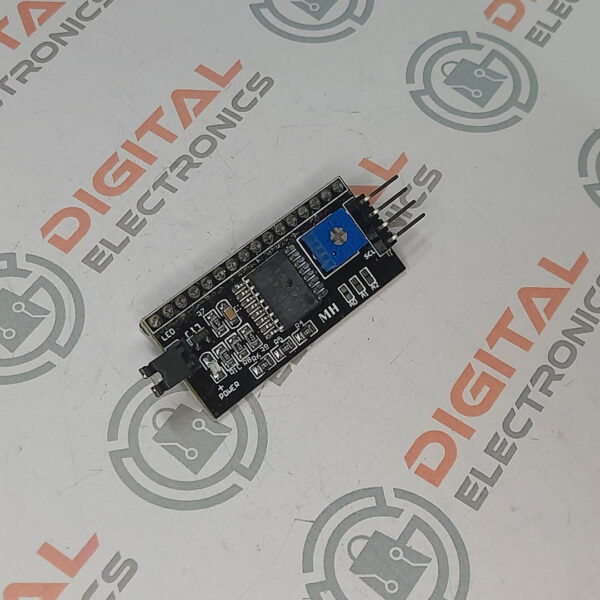
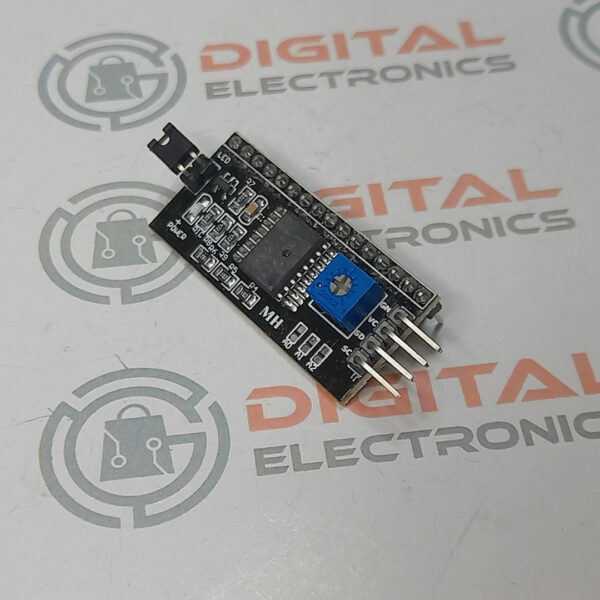
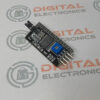
I2C Module
Br600.00
-
Operating Voltage: I2C converters typically operate within a specified voltage range, such as 2.5V to 6V, with 5V being a common operating voltage.
-
I2C Speed Modes: I2C converters support different speed modes, including Standard mode (100 kbit/s), Fast mode (400 kbit/s), and Fast mode plus (1 Mbit/s).
-
Bus Capacitance: The maximum capacitance the converter can handle on the I2C bus is a crucial factor, particularly in Fast mode and Fast mode plus.
-
Logic Level Translation: A primary function of an I2C converter is to translate voltage levels between different components on the I2C bus. This ensures compatibility between devices operating at different voltage levels (e.g., 3.3V and 5V).
-
Interface Compatibility: I2C converters are designed to be compatible with various microcontrollers and microprocessors that utilize the I2C protocol, including devices based on the 8049, 8051, 6800, 68000, and Z80 architectures.
-
Master/Slave Functionality: I2C converters can act as either masters or slaves on the I2C bus, allowing for versatile communication configurations.
-
Multi-Master Capability: Some I2C converters support multi-master configurations, where multiple master devices can communicate on the same I2C bus.
-
Address Selection: I2C converters often allow for address selection, enabling multiple devices of the same type to be connected on the same I2C bus.
-
Interrupt Vector: Some I2C converters offer a programmable interrupt vector, allowing for interrupt-driven communication with the I2C bus.
-
Operating Temperature Range: The operating temperature range specifies the ambient temperature within which the converter can function reliably.
-
Package Type: The physical package of the I2C converter, such as SOT-23-5, is also a relevant specification.
-
Data Rate: The I2C data rate, typically expressed in bits per second (bit/s), indicates the speed at which data can be transferred on the I2C bus.
-
Number of Devices: I2C converters may have limitations on the number of devices that can be connected to the same bus, such as up to 8 devices on a single 2-wire bus according to Mouser Electronics.
-
Long-Distance Mode: Some I2C converters offer a long-distance mode (typically using a 4-wire connection), which allows for extended cable lengths on the I2C bus.
-
ESD Protection: Electrostatic discharge (ESD) protection on the I2C converter’s pins is an important feature for ensuring reliable operation.
Related products
-
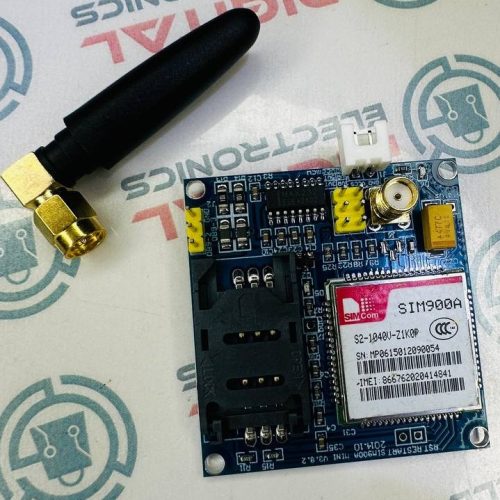
SIM900A GSM/GPRS Module with Antenna
Br3,000.00 -
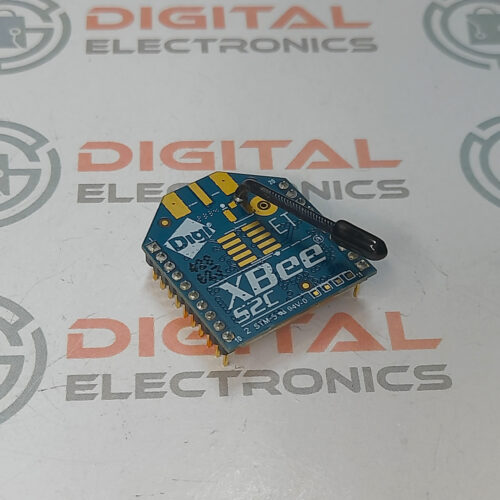
XBee S2C Module
Br7,500.00 -
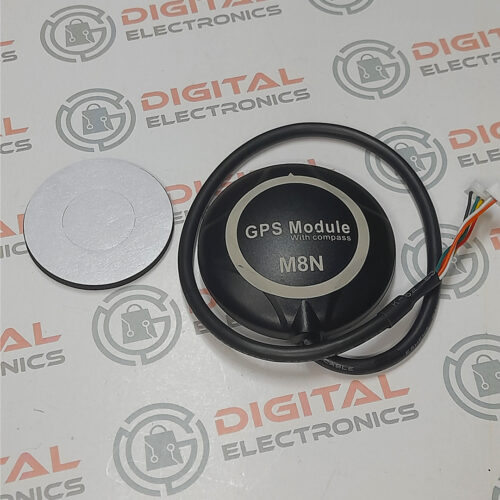
GPS Module NEO-M8N
Br7,500.00 -
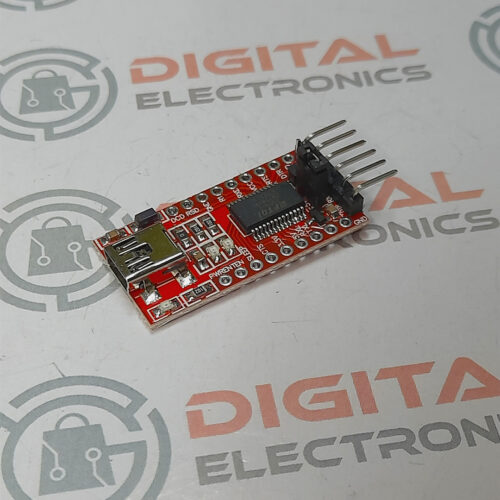
FTDI USB to TTL Converter
Br650.00