
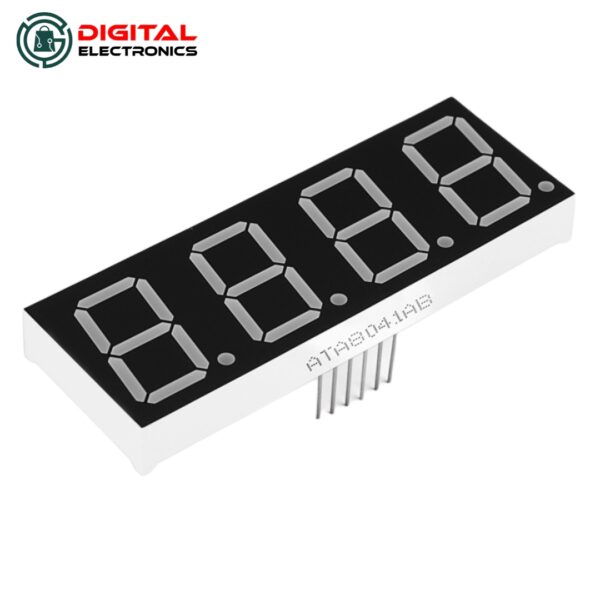
7-Segment Display
Br100.00
-
Display Type: Typically, a 4-digit 7-segment LED display is used, with each digit made up of seven individual LEDs forming a figure-eight shape.
-
Common Anode or Cathode: These displays are available with either a common anode or common cathode configuration. In a common anode configuration, all the anodes of the LEDs are connected to a positive voltage, and each segment is illuminated by applying a low (ground) voltage to the corresponding cathode. In a common cathode configuration, all the cathodes of the LEDs are connected to ground, and each segment is illuminated by applying a high voltage to the corresponding anode.
-
Number of Pins: A 4-digit 7-segment display typically has 12 pins, with 8 pins for the segments (A-G, and decimal point) and 4 pins for the digit selection (or common pins).
-
Forward Voltage (Vf): The forward voltage is the voltage required to turn on each segment. It typically ranges from 1.8V to 3.5V depending on the color and manufacturer.
-
Forward Current (If): The forward current is the current that flows through each segment when it is turned on. It is typically around 20mA for each segment.
-
Peak Forward Current: Some displays can handle higher peak currents for short durations, which can be useful for pulsing the display to make it appear brighter.
-
Operating Temperature: These displays can typically operate within a temperature range of -25°C to +85°C, but some might have extended ranges.
-
Size and Dimensions: The physical dimensions of the display, including the height of the digits and the overall size of the module, vary depending on the specific model.
-
Display Color: These displays are available in various colors, including red, green, blue, white, and yellow.
-
Driver IC: Many 4-digit 7-segment displays are integrated with a driver IC (like the TM1637) that handles the multiplexing and communication with a microcontroller. This simplifies the interfacing and reduces the number of required pins.
-
Brightness Control: Some driver ICs allow for brightness control of the display, enabling the user to adjust the intensity of the LEDs.
Related products
-
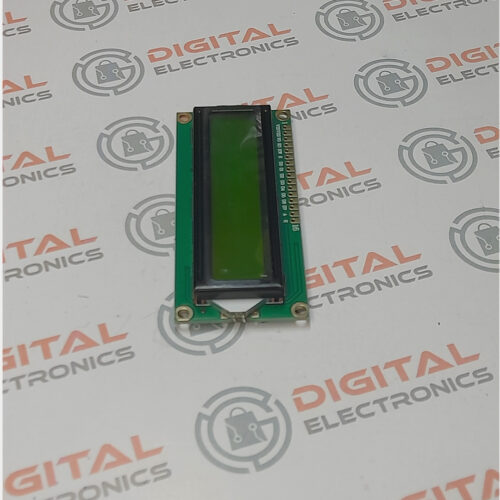
16X4 LCD Display
Br1,250.00 -
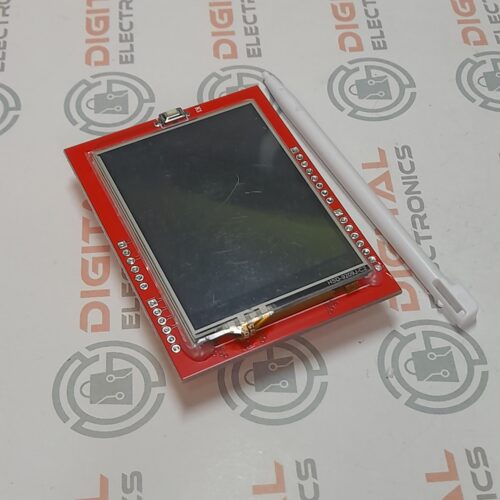
3.5 Inch TFT Screen UNO Shield
Br5,500.00 -
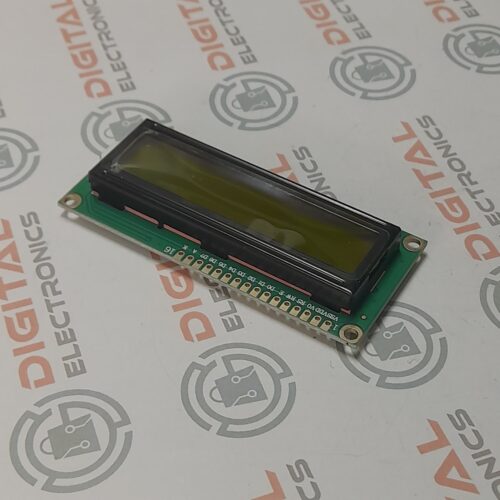
16X2 LCD Display
Br800.00 -
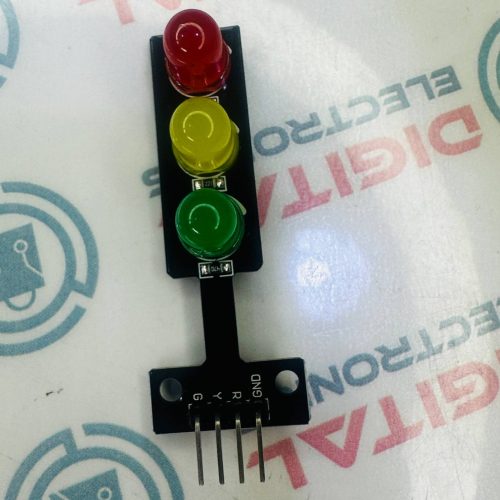
Traffic Light LED Display Module (5mm LED)
Br650.00